
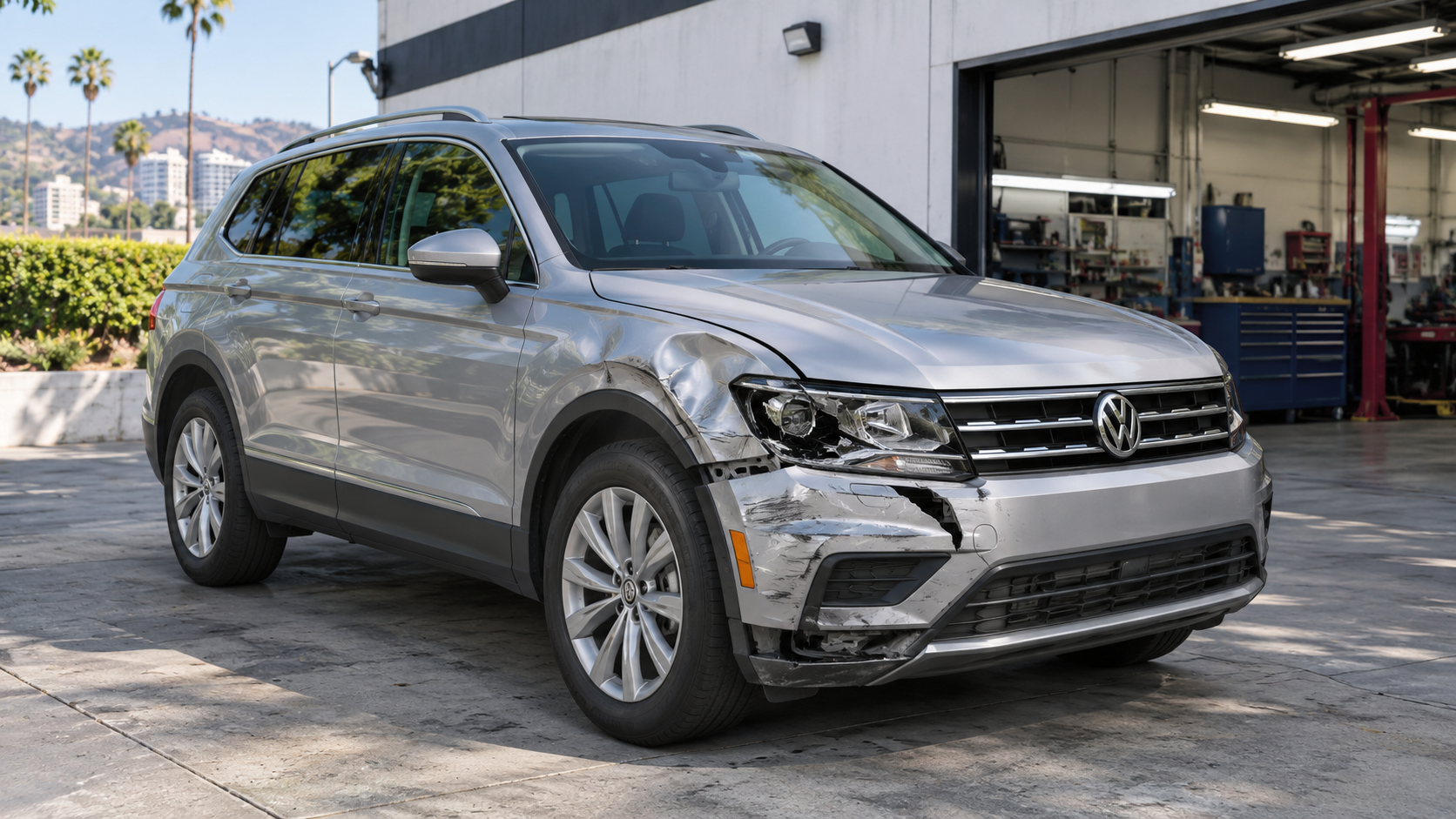
Yesterday, a customer asked me, “Is your shop Volkswagen certified?”
My answer was straightforward: “No.”
It was a fair question, and it deserves more than a one-word answer. At Hilton Auto Collision Center, we believe customers should understand what manufacturer certification means—and what makes a shop qualified to handle their particular repair.
What does “brand certified” mean?
Manufacturer certification means a collision facility participates in a vehicle manufacturer’s repair program and meets that program’s requirements. It is meaningful recognition.
Volkswagen describes its Certified Collision Repair Facilities as having trained employees, appropriate tools, access to technical resources, and a commitment to Volkswagen repair procedures. I-CAR also identifies ongoing Gold Class status and a specified welding certification among Volkswagen’s program training requirements.
Certification is specific to the manufacturer and program. Being certified by one brand does not automatically qualify a facility for every other brand—or every type of repair.
Can an independent shop repair a Volkswagen without Volkswagen certification?
A shop does not need to belong to every manufacturer’s certification program to be a capable collision repair business. A qualified independent shop can perform repairs within its training, equipment, and technical capabilities.
Volkswagen’s own erWin service-information system supplies repair information to aftermarket service providers as well as owners. Manufacturer procedures are therefore available beyond the certified network.
However, access to instructions is only the beginning. The shop must have the people, equipment, materials, and processes needed to carry them out. Whether a shop is suitable depends on the vehicle and the actual damage.
Certification is one way to demonstrate capability. The repair itself still has to meet the applicable manufacturer’s requirements.
The repair procedure matters—every time
Modern collision work can involve specialized steels, aluminum, bonding materials, electronic safety systems, cameras, radar, and high-voltage components.
Years of experience matter, but experience must be supported by current instructions for the specific vehicle. A repair method that worked on an older model may be inappropriate for a newer one.
Volkswagen directs repairers to its official procedures and specifies approved straightening and measuring equipment for applicable structural work. A shop without that required equipment should not undertake that operation using a substitute method.
The same principle applies to other specialized work: establish the requirements first, then determine whether the shop can complete the repair correctly, arrange qualified specialist work where appropriate, or refer the vehicle to another facility.
What should you ask a collision shop?
Before authorizing repairs, ask:
● Will you obtain the current manufacturer procedures for my vehicle and damage?
● Do you have the training and equipment required for this particular job?
● What parts and materials are specified, and what are you proposing to use?
● Are diagnostic scans, measurements, or safety-system calibrations required?
● If a specialist performs part of the work, how will completion be documented?
● What written warranty do you provide on your repair work?
Clear answers help you judge the repair plan, whether the shop is manufacturer certified or independent.
When can a certified facility be especially valuable?
A certified facility can be a strong choice when the damage requires specialized equipment, brand-specific training, or resources that another shop cannot provide. This can be particularly relevant to complex structural repairs and certain electric-vehicle operations.
Certification deserves respect. It should also be understood accurately: it does not replace a thorough inspection, a correct repair plan, or documented workmanship.
Our answer at Hilton Auto Collision Center
We are not Volkswagen certified, and we will never represent ourselves as being Volkswagen certified.
We believe a professional collision center earns confidence through honest communication, a clear explanation of the damage, and a repair plan matched to the vehicle’s requirements.
For drivers in West Los Angeles, Culver City, and Mar Vista, our message is simple: ask about certification, and also ask how your specific repair will be performed.
Your car deserves the correct repair—and you deserve straight answers.